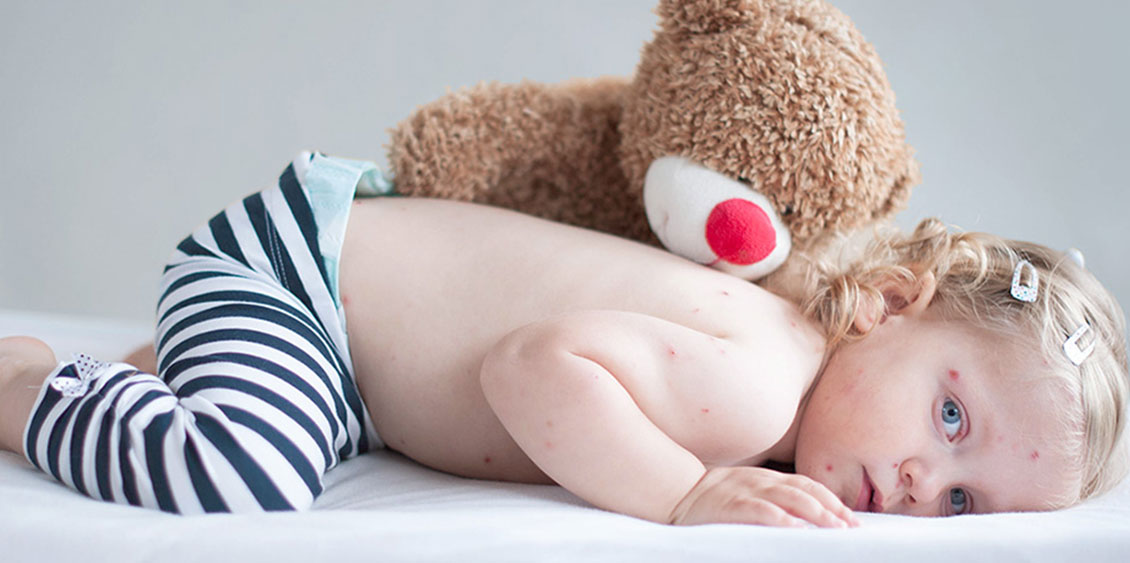
Caused by the varicella-zoster virus, chickenpox is one of the most common infectious childhood diseases. Has your child caught it? To speed their recovery and improve their symptoms, follow these tips.
1
Fight fever
A fever is one of the earliest symptoms of chickenpox. It can appear at the same time as the telltale blisters, or even a day or two before. To lower your child’s fever, you can give them acetaminophen. However, you should not give children aspirin or products containing aspirin, as they increase the risk of contracting Reye’s syndrome, a serious disease that can damage the liver and brain.
Here are some other tips for dealing with a fever:
- Dress your child in lightweight clothes and keep your home at a comfortable temperature, between 18°C and 21°C.
- Frequently give your child fluids to drink (e.g., water or milk) to lower the risk of dehydration.
- Always ask your pharmacist or family doctor for advice before giving any medication to your child. These health care professionals can determine the right dosage of medication for your child’s weight and age.
2
Soothe itching
The classic symptom of chickenpox is an itchy, blistery rash. Try to make sure your child doesn’t scratch at their blisters, as doing so can leave temporary or even permanent scars.
To relieve your child’s itching, you can add colloidal oatmeal products (available in pharmacies) or baking soda (about ½ cup) to their bath water. Applying cold water compresses to the blisters also helps reduce itching. In some cases, specific creams or antihistamines may be recommended. It’s best to ask your Brunet-affiliated pharmacist for advice.
3
Prevent infection
Pay particular attention to your child’s hygiene while they’re sick. To prevent a bacterial superinfection of the blisters, remember to clip your child’s fingernails short and wash their hands frequently. A good trick is to have them put on clean cotton gloves (or put socks over their hands) before bedtime to reduce the chances of scratching their blisters while asleep.
If your child is not yet potty-trained, change their diaper more often than usual. Finally, if their skin looks damaged or has lesions, wash the area with a mild, unscented soap, then ask your pharmacist if a topical antibiotic may be beneficial. And don’t forget to cover any open or infected wounds with a bandage.
4
Consult your doctor if necessary
We recommend that you consult a doctor if your child:
- Has had a fever for more than 2 days and their temperature is above 38.5°C
- Has infected wounds that are red, oozing pus, or painful to the touch
- Seems very ill or is getting worse
- Has a stiff neck and very intense headaches
- Has trouble breathing
If in doubt, call Info-Santé 811 or consult your Brunet-affiliated pharmacist.
Good to know
In some cases, your doctor may prescribe an oral antiviral medication to reduce the intensity and duration of your child’s symptoms. To be effective, this medication must be taken within 24 hours of the appearance of the first blisters. However, since the disease is generally benign, antiviral treatment of healthy children is not systematically recommended. This type of medication is more frequently prescribed for people at higher risk of developing a severe form of the disease, such as pregnant women or people already suffering from skin disorders.
Vaccination: An effective way to prevent chickenpox
The best protection against chickenpox is vaccination. In Quebec, children receive two free doses of a combined vaccine from the age of 12 months, protecting them not only against chickenpox, but also against measles, mumps, and rubella.
Older people who have never been vaccinated can also get the vaccine. However, after the age of 50, it’s recommended to get the shingles vaccine instead, as it is better suited to this age group.
What is the relationship between chickenpox and shingles?
Chickenpox and shingles are caused by the same virus. After a chickenpox infection has run its course, the virus remains dormant in the body. It can then reactivate years later, causing shingles, an often painful rash.
Taking care of your child, one step at a time
Although generally benign, chickenpox is a common childhood illness that needs to be treated with vigilance and a good dose of TLC. By following a few simple steps—fighting fever, soothing itching, maintaining good hygiene, and consulting a health care professional when necessary—you can help your child get through their illness more comfortably.
And remember: Your Brunet-affiliated pharmacist is there to support you every step of the way, from recommending the right products to answering your questions. Don’t hesitate to come and see us!
Last updated on March 24, 2026