Shovelling and heart attacks: Lowering your risk this winter

Clearing snow is an unavoidable part of the Quebec winter, but this seemingly harmless activity can pose a very real danger to heart health. The combination of extreme cold and intense physical effort can put your cardiovascular system to the test. Moreover, the Institut de cardiologie de Montréal found that snowfall of 20 cm increases the risk of hospitalization for a heart attack by 16% in men.

While shovelling will always be a necessary winter chore, it should never take precedence over safety. Learn how shovelling affects your heart, the warning signs to look out for, and the essential precautions for shovelling safely.

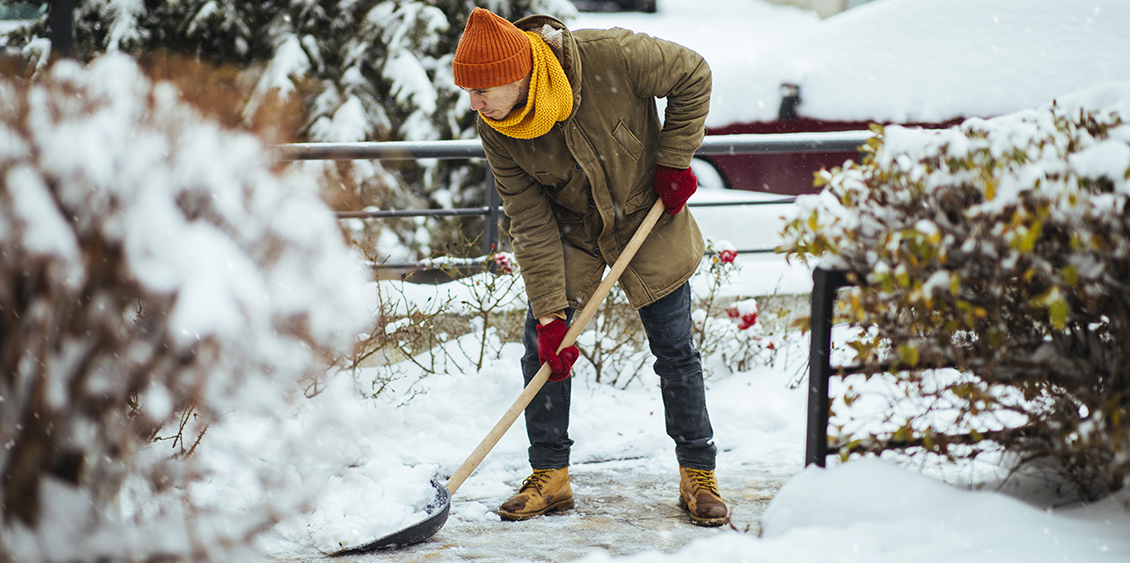
A person shovels snow in their garden.

How does snow shovelling affect the heart?

Shovelling is an intense isometric exercise that uses several muscle groups at the same time. This chore can raise your heart rate in a matter of seconds, putting considerable stress on your cardiovascular system and increasing your risk of heart attack.

Extreme cold further complicates the situation, as freezing temperatures cause vasoconstriction, i.e., contraction of the blood vessels. As a result, the heart has to work harder to pump blood through these narrowed vessels, while supplying oxygen to your working muscles.


Did you know?

The Heart and Stroke Foundation reports that mortality rates increase by an average of 10% during the winter due to cold temperatures, which raise blood pressure.

What are the warning signs of a heart attack?

Symptoms of a heart attack can occur during shovelling or a few hours after. It’s crucial to listen to your body and recognize these warning signs:

  • Chest discomfort or pain (pressure, tightness, or burning)
  • Pain radiating to the arm, jaw, neck, or back
  • Shortness of breath, with or without chest pain
  • Nausea, vomiting, diarrhea or abdominal pain
  • Dizziness, lightheadedness, or weakness
  • Cold sweat and clammy skin
  • Intense anxiety or a sense of impending doom


Good to know

Women may present different heart attack symptoms from men. Often, these symptoms are more subtle and do not include obvious chest pain. These symptoms in women can resemble those of indigestion, making diagnosis more difficult. Don’t hesitate to seek medical advice if in doubt.


Who’s at risk?

The cardiac risks of shovelling vary considerably from person to person. Below are examples of populations that should avoid shovelling or take additional precautions while shovelling.

  • People aged 55 and over, especially men
  • People with a history of heart disease or stroke
  • Diabetics (diabetes has the equivalent effect of aging 15 years in terms of cardiovascular risk)
  • People with high blood pressure
  • Smokers, including and those who are in the process of quitting
  • Sedentary or overweight people
  • People with high cholesterol

Precautions for safe shovelling

As with any physical exercise, it’s important to gradually warm up and cool down before and after shovelling. With a little preparation and the proper technique, you can considerably reduce your cardiovascular risk.


Better safe than sorry!

If you have to shovel and have risk factors, always tell someone you trust what you’re going to do, and keep your cell phone with you in case of emergency.


Before shovelling

You should start preparing well before you pick up your shovel. Here are a few important precautions to take:

  • Avoid shovelling after a heavy meal (wait at least one to two hours)
  • Don’t smoke before or after shovelling
  • Limit alcohol consumption, which can mask symptoms of hypothermia and impair judgment
  • Warm up for 5 to 10 minutes with some walking or light stretching
  • Dress in multiple layers to avoid overheating
  • Wear tall, waterproof boots with good grip

While shovelling

Once outside, follow these recommendations to minimize the strain on your heart:

  • Use an ergonomic shovel suited to your height
  • Push snow, don’t lift it
  • Bend your knees and keep your back straight
  • Avoid throwing snow to the side or over your shoulder
  • Take a break every 10 to 15 minutes
  • Breathe normally and never hold your breath
  • Stop immediately if you feel unwell


Good to know

At high speeds (15 shovelfuls/minute), the combined weight of the shovel and snow should never exceed 10 to 15 pounds (5 to 7 kg).


Safe alternatives to shovelling

Is snow clearing too high a risk for your cardiovascular health? You have options:

  • Hire a professional snow removal service
  • Use a snow blower, which requires less physical effort
  • Ask neighbours or younger relatives for help
  • Shovel several times during a snowstorm rather than just once at the end
  • Use salt or sand on icy surfaces rather than scraping
What to do if you suspect a heart attack

If you experience any worrying symptoms during or after shoveling, here are some important best practices to follow:

  • Stop all activity and sit or lie down
  • Loosen any tight clothing
  • If you have been prescribed nitroglycerin, administer a 0.4 mg spray under your tongue (repeat every 5 minutes as needed, up to 3 doses) and call 911
  • Chew two 81 mg aspirin tablets (unless contraindicated)
  • Stay calm and avoid physical exertion
  • Never drive yourself to the hospital

If someone close to you loses consciousness and is not breathing, immediately start CPR, giving around 30 compressions for every 2 breaths.


Every second counts!

Call 911 as soon as you feel signs of cardiac discomfort. It’s better to call for nothing than to call too late.

Preparing your heart for winter

Good physical preparation before winter can make all the difference for your heart health.

Here are a few ways to prepare your heart for shovelling:

  • Start a regular exercise regimen before winter and keep moving all year round
  • To avoid injury, prioritize aerobic exercise in the winter
  • Get regular medical examinations to catch heart problems early
  • Regularly monitor your blood pressure, cholesterol, blood sugar
  • Maintain a healthy weight
  • Quit smoking, if you’re a smoker
  • Learn to recognize your physical limitations
  • Take CPR training so you can help others in an emergency


Did you know?

Doing 30 minutes of physical activity a day reduces cardiovascular risk by 30%, according to the Fédération Française de Cardiologie.

Prudence and prevention: Your best defence

Shovelling is a necessary winter activity, but it should never take precedence over your heart health. Knowing the risks, recognizing the warning signs, and adopting the right practices can make the difference between staying healthy this winter and having a medical emergency.

Never hesitate to ask for help or invest in safer alternatives: Your heart will thank you! And remember that your pharmacist is always available to advise you on the best ways to prevent heart disease and help you assess your risk factors.

img-article

Did you like this article?

Subscribe to our newsletter to stay in touch.

×
Pick up location

You may change the store at any time.

Please click on Search to display the results.
×
Store change

Loading...