When we talk about injections for diabetes, we often think of insulin. But there’s another category of injectable medication that can be used to control type 2 diabetes, called GLP-1 agonists. Before we get into the details, let’s take a moment to review the basics of diabetes.
What is diabetes?
Diabetes is a chronic disease characterized by hyperglycemia (too much sugar in the blood). The cause of the elevated blood sugar varies according to the type of diabetes. In the long term, diabetes can lead to complications affecting different organs of the body.
What is the difference between type 1 and type 2 diabetes?
Type 1 diabetes is characterized by the body’s inability to produce a hormone called insulin. In most cases, though we don’t yet understand why, the immune system attacks the pancreatic cells responsible for insulin production. This type of diabetes most commonly presents in children, adolescents, and young adults. People with type 1 diabetes need to take insulin to stay alive.
Type 2 diabetes accounts for around 90% of all cases. It’s mainly caused by insulin resistance, which means that the body’s cells respond less well to this hormone. Although often associated with lifestyle habits, genetic factors can also play a role. Unlike for type 1 diabetes, the first-line treatment for type 2 diabetes is not insulin.
What treatments are available for type 2 diabetes?
Although there’s no cure for diabetes, it can be controlled if managed correctly. This depends on a number of factors.
Lifestyle habits play a central role in controlling blood sugar levels and long-term health in people with type 2 diabetes. Here are a few key recommended lifestyle changes:
- Eat a healthy, balanced diet;
- Engage in regular physical activity;
- Quit smoking;
- Learn to better manage stress.
When these lifestyle adjustments are no longer sufficient to control blood sugar levels, medication becomes necessary. There are several classes of medications with different mechanisms of action and modes of administration, including oral and injectable. In this article, we’re focusing on injectable drugs other than insulin.
What are GLP-1 agonists?
GLP-1 (glucagon-like peptide-1) agonists are a class of medication that’s attracting a lot of interest these days. For now, they’re the only injectable drugs available for the treatment of type 2 diabetes other than insulin. They include the following:
- Semaglutide (brand name Ozempic);
- Dulaglutide (brand name Trulicity);
- Liraglutide (brand name Victoza).
These drugs mimic the action of GLP-1, a hormone naturally produced by the body, which plays an important role in regulating blood sugar levels and appetite. They stimulate insulin production by the pancreas and slow gastric emptying.
Good to know:
- Insulin replaces a hormone that your body produces in insufficient quantities or doesn’t produce at all.
- GLP-1 agonists help stimulate the release of insulin from your pancreas.
What are the benefits of GLP-1 agonists?
GLP-1 agonists offer many benefits to people living with type 2 diabetes. First, they’re generally very effective at reducing blood sugar levels without causing severe hypoglycemia, unlike other types of medication. What’s more, they often lead to weight loss, which can also improve glycemic control and help manage diabetes.
Studies have also shown that the majority of GLP-1 agonists reduce the risk of cardiovascular and kidney diseases, which are frequent complications of diabetes.
What are the side effects?
The side effects of GLP-1 agonists are mainly related to digestion:
- nausea;
- vomiting;
- diarrhea;
- constipation.
Symptoms tend to improve over time, but some people are sufficiently bothered by them to ask for a dosage adjustment or even to discontinue treatment.
More serious but rare side effects, such as pancreatitis (inflammation of the pancreas), can also occur. That’s why it’s vital that people taking these medications are closely monitored by their health professionals, so that any worrying signs can be detected early on.
What is the dosage?
The dosage and frequency of administration vary depending on the specific medication. For example, semaglutide and dulaglutide are administered once a week, while liraglutide is injected daily.
How is the injection administered?
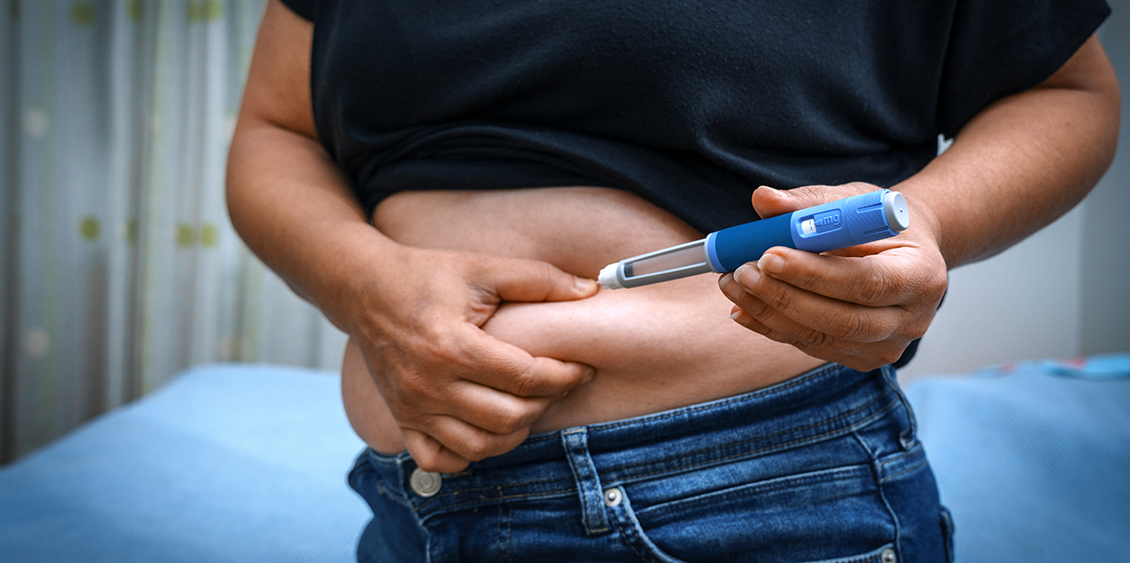
The medicine is injected under the skin, like insulin, using a pre-filled auto-injector pen and a short needle placed at the end of the pen. Needles are single use only and must be disposed of after each injection in a secure container provided by the pharmacy.
Can non-diabetics take GLP-1 agonists for weight loss?
Many people have heard about certain GLP-1 agonists through ads and social media, often in the context of weight loss rather than diabetes. Some of these medications have in fact been studied in the context of weight management, and may be offered under different trade names and at doses other than those used for diabetes.
It’s important to note, however, that these drugs are not intended to be used for cosmetic weight loss. Their use for weight management is approved only in well-supervised situations, notably in people with a high body mass index (BMI) and one or more health problems associated with being overweight, such as type 2 diabetes, hypertension, or cardiovascular disease. The aim of the treatment is to improve the person’s overall health, not to change their appearance.
Which medication is right for diabetics?
There’s no one-size-fits-all treatment for diabetes. The choice of medication must take several factors into account, including the following:
- blood sugar levels;
- symptoms;
- other health problems;
- renal function.
Your health care professional can explain your options, answer your questions, and help you decide on the best course of treatment.
How your pharmacist can help with diabetes management
Pharmacists play a key role in managing your diabetes. They can help you better understand your treatment, offer support to ensure you’re taking your medication properly, track the results to optimize the efficacy and safety of your treatment, and even modify it as needed.
Pharmacists can also teach you how to administer your injectable medications to ensure you’re taking them safely and effectively. They can advise you on possible injection sites, how to disinfect the area before the injection, proper needle handling, and much more.
Don’t hesitate to talk to your pharmacist if you have any questions or concerns about your diabetes or medication!
Other articles that might interest you
Last updated on March 6, 2025