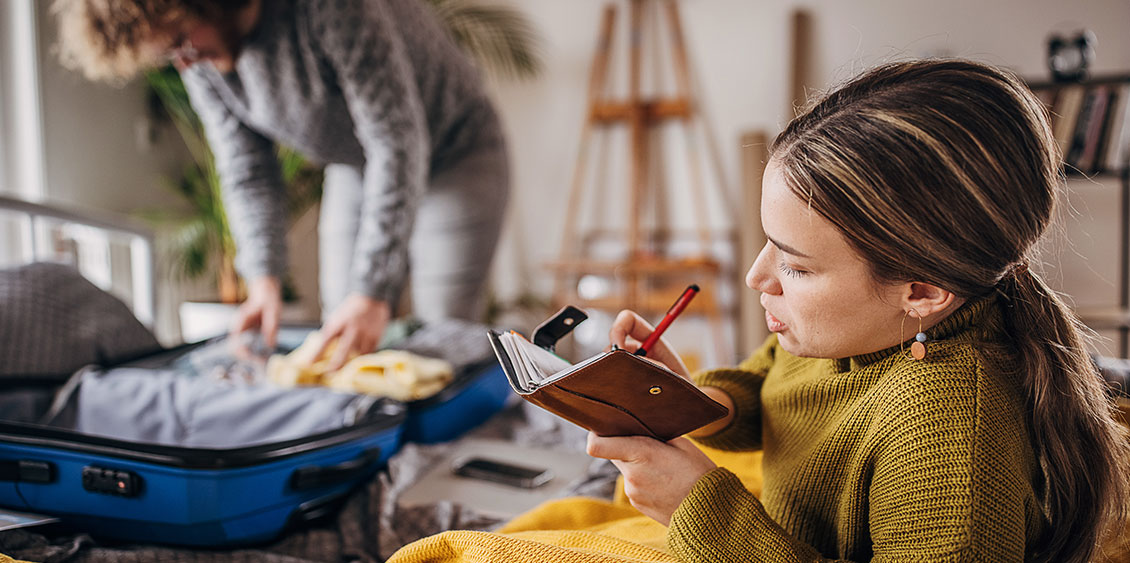
What should you bring on your trip down south, or anywhere else in the world?
The first things that come to mind when packing for a vacation are often your swimsuit, beach towel, sunglasses, and hat. But there’s one thing that’s often overlooked when it comes to pre-travel planning: a first aid kit. Here’s how to prepare yours.
A well-stocked first aid kit
A first aid kit doesn’t take up much space, but it can save you a lot of trouble during your travels, ensuring you’re equipped to handle small injuries or infections in a flash so you can enjoy your trip in peace. Here are the essentials for any good first aid kit:
- Gauze
- Thermometer
- Adhesive tape
- Small scissors
- Disposable latex gloves
- Antiseptic wipes
- Tube of antibiotic ointment
- Blister bandages
- Compression bandages in case of sprains
- Alcohol-based hand sanitizer
- Adhesive bandages of different sizes
- Tweezers to remove splinters or ticks
Tip: Before you leave, consider taking a first-aid course to learn how to properly use the contents of your kit. Don’t forget to consult your pharmacist, too. They can assess your needs and even prescribe certain medications.
Adapting your first aid kit to your destination
Each type of trip presents its own particular health risks and challenges, which means adapting your first aid kit depending on where you’re going. Here’s how to customize your kit according to your destination and what you plan to do while you’re there.
➤ Tropical destinations
- The risk of mosquito-borne diseases (dengue, Zika, chikungunya, malaria) is higher. Bring an insect repellent with at least 20–30% DEET or 20% icaridin, to be applied to all exposed areas of skin.
- Antidiarrheal drugs: The risk of traveller’s diarrhea is as high as 50% in certain tropical destinations.
- High protection sunscreen (SPF 50+): The UV rays in the tropics are much more intense than they are in Canada.
- Extra oral rehydration sachets: The combination of intense heat, high humidity, and physical activity greatly increases the risk of dehydration.
- Anti-malarial drugs, if required for the region: For malaria-endemic areas (sub-Saharan Africa, certain regions of Southeast Asia and South America), your doctor or pharmacist will prescribe a suitable anti-malarial drug. Treatment should generally start anywhere from 1–2 days to 2 weeks before departure, depending on the drug, then continue throughout your stay and for 1–4 weeks after you return.
Did you know? According to a study by Health Canada, small wounds and skin infections account for around 30% of health problems encountered when traveling. And traveller’s diarrhea (or turista) affects 20% to 50% of travellers, depending on their destination. (Source: INSPQ - Institut national de santé publique du Québec)
➤ Adventure travel / hiking
- Purifier or water purification tablets: In remote areas where access to clean drinking water is not guaranteed, purification tablets (iodine or chlorine) or a portable filtration system are essential. These tablets kill most bacteria and viruses in 30 minutes, but require 4 hours to eliminate parasites such as Giardia.
- Plenty of bandages and dressings, as prolonged hiking increases the risk of blisters, abrasions and cuts.
- Altitude sickness medication: If you’re planning an ascent to higher than 2,500 meters (Andes, Himalayas, Kilimanjaro), acetazolamide (Diamox) can prevent acute mountain sickness by facilitating the acclimatization process.
- Protection from ticks and other insects: Ticks, which can transmit Lyme disease , are commonly found in wooded and/or grassy areas. Wear long, light-coloured clothing, apply insect repellent to your skin and clothing, and do a thorough check of your body every evening.
➤ Travelling with children
- Pediatric dosages: Bring children’s acetaminophen (Tylenol) and ibuprofen (Advil) (syrup or chewable tablets, depending on age). Never give aspirin to children under 18, due to the risk of Reye’s syndrome.
- Age-appropriate thermometer: for babies and young children, an ear or forehead thermometer provides a quick, comfortable way to take their temperature. Digital oral thermometers are suitable for older children.
- Child-friendly oral rehydration sachets: Children dehydrate much faster than adults when they experience diarrhea or vomiting. Pediatric oral rehydration sachets such as Pedialyte and Gastrolyte have a more pleasant taste and a dosage level adapted for their age.
What prescription drugs should I bring with me when I travel?
Don't forget to pack your prescription medications along with your other travel health essentials. Keep these medications in your carry-on bag, in their original containers showing your full name, the pharmacy label, and the exact name of the medication. It’s also a good idea to bring a little more than you think you’ll need so you're prepared in case something unexpected occurs. Too much is better than not enough!
Medications and international regulations
Keep in mind, however, that the regulations governing the transportation of medications vary from country to country. Before you leave, it can be a good idea to familiarize yourself with the relevant regulations in the country or countries you’re planning to visit.
⟡ Do your research
- Consult the embassy or consulate of the country you’re travelling to.
- Check your destination’s lists of controlled substances.
- Identify the international nonproprietary names (INN) of any drugs you might be travelling with.
- Calculate the quantities allowed.
- Don’t forget to include layovers and transit countries.
- Consult the resources provided by the Canadian government: travel.gc.ca offers specific advice for each destination and provides a way to contact the Government of Canada’s Emergency Watch and Response Centre for up-to-date information.
⟡ Request medical certificates
- Obtain a detailed letter from your prescribing physician.
- Make sure the certificate includes the essential information.
- Have the certificate authenticated if necessary: Some countries require medical certificates to be authenticated (legalized) by the relevant authorities in order for them to be legally recognized.
- Make multiple copies: Ensure you have several certified copies of your medical certificate and pack them separately in different pieces of luggage.
- Plan to have certificates in several languages.
- Update the certificate for each trip: Medical certificates must be recent (generally dated less than 3 months before departure) to be accepted by customs authorities.
⟡ Make your customs declaration
- Declare all prescription drugs on the customs declaration form, even if they’re not on the list of controlled substances.
- Have your supporting documents ready before you arrive at customs.
- Know the specific forms required. Some countries require you to fill out special forms for importing medications before your arrival or when you arrive at the airport.
- Obtain an import permit if necessary, as some controlled substances require a special import permit.
- Keep your proof of declaration.
Warning: Never buy prescription drugs outside of Canada unless a health care professional recommends it. You can also ask your pharmacist to provide you with a complete and up-to-date list of your medications.
What over-the-counter medications should I bring with me when I travel?
No matter what type of trip you're planning, there are certain over-the-counter medications you should always bring with you. Whether you’re heading out on an all-inclusive vacation or journeying to the depths of the jungle, even the smallest of ailments can ruin your trip! To avoid an unfortunate situation, consider adding these non-prescription medications to your list of health essentials.
⟡ Essential medications to take with you when travelling south or to another destination
- Pain relievers: for headaches, toothaches, sore muscles, cramps, etc.
- Antihistamines: for allergic reactions, insect bites, mild sunburn, or other minor skin irritations
- Anti-nausea medication: for motion sickness
- Powdered oral rehydration solutions
- Antidiarrheals
- Antacids: for heartburn and digestive problems associated with changes in diet
- 1% hydrocortisone cream: for mild itching and skin irritation
- Eye drops: for dry eyes on planes or in arid climates
- Probiotic supplements: to maintain digestive health during your trip
Tip: While these medications can be purchased without a prescription, always ask a pharmacist for advice on the best choice, as some may not be right for you. Your pharmacist will assess your needs and can even prescribe some of these medications during your consultation.
⟡ List of specific drugs by destination
- Malaria-risk zones: prescription antimalarials (sub-Saharan Africa, Southeast Asia, South America), depending on your travel health analysis at your pharmacy. A good insect repellent is also highly recommended at all times in high-risk areas.
- High altitudes: acetazolamide to prevent acute mountain sickness (>2,500 m) - Andes, Himalayas, Kilimanjaro. A good moisturizer and sun protection (for the skin, lips and eyes) are essential. If you’re staying at a very high altitude (over 4,000 m), consult your doctor, as certain medications are recommended.
- Tropical regions: enhanced protection against gastrointestinal infections. Vaccination against hepatitis A and B is recommended before departure. Ask your pharmacist for advice.
What essential documents should I bring with me when I travel?
Accidents can happen in the blink of an eye, and while we all hope to avoid medical emergencies while travelling, planning ahead can save us a lot of trouble. Consider adding the following useful information to your health essentials:
- Name and full contact information of a friend or family member residing in Canada
- Name and full contact information of your health care provider in Canada
- Your home address and phone number
- Full contact information for your hospital or health care clinic in Canada
- Full contact information for hospitals and health care clinics in the country you’re visiting
- Full contact information for the Canadian embassy in the country you’re visiting
- The telephone number of your travel health insurance provider
- Your Quebec health insurance (RAMQ) card
- Proof of travel insurance
- Your list of medications (prescription and over-the-counter)
- An electronic copy, if possible, or a paper copy, of your Quebec vaccination record
Remember to save the phone numbers of local embassies, hospitals, clinics, and other useful resources in your contacts, in case of emergency. This will save you from having to look for them if you need them
Update your vaccinations
Before travelling abroad, make sure your vaccination record is up to date and bring a copy with you. There are several vaccines that are essential when planning a trip to reduce the risk of contracting certain diseases.
These vaccines are as follows: