The best foods to eat during your menstrual cycle
There’s no need to reinvent the wheel. Even small changes to your diet can be beneficial. Here are the nutrients you should be prioritizing in your diet.
Iron, to help you fight fatigue
Menstruation means blood loss, and therefore a decrease in iron. This often explains the heavy feeling of fatigue that sets in during the first few days of the menstrual cycle. In fact, iron is an essential nutrient for transporting oxygen around the body and maintaining the level of energy you need to get through the day.
To add more iron into your diet during your period, try the following:
- lean red meats, offal, or black pudding
- legumes such as lentils or chickpeas
- dark green leafy vegetables such as spinach, kale, or Swiss chard
- eggs or enriched tofu
Add some vitamin C into the mix
Your body absorbs iron from plant-based sources better when it’s accompanied by vitamin C.
Foods such as citrus fruits (oranges and grapefruit), kiwis, peppers, and berries are excellent sources of vitamin C that are easy to incorporate into your meals.
Omega-3, for natural relief from inflammation
During your period, the body produces prostaglandins, substances that help the uterus contract in order to evacuate blood, resulting in the dreaded menstrual cramps. Omega-3 fatty acids have anti-inflammatory properties that help reduce the production of these prostaglandins, significantly reducing the intensity of the pain experienced during the menstrual cycle.
You can find them in foods like:
- fatty fish such as salmon, mackerel, sardines, and trout
- flaxseeds and chia seeds
- walnuts
- canola oil
Not a fan of fish?
If fish isn’t your thing, a tablespoon of ground flaxseed in a smoothie or on your yogurt in the morning is an easy way to add omega-3s into your diet!
Magnesium, to relieve tension
Magnesium helps the uterine muscles relax, which can reduce muscle contractions and tension. This super-nutrient also plays an essential role in the nervous system, notably in mood, sleep, and stress management, three things that are often disrupted by your period and premenstrual syndrome (PMS).
Foods that are rich in magnesium include:
- walnuts, almonds, and hazelnuts
- bananas
- pumpkin seeds
- dark green vegetables
- dark chocolate (at least 70% cacao): in moderate quantities, it’s an excellent way to treat yourself!
Supplements: Another option
Talk to your pharmacist, who can recommend a magnesium supplement tailored to your needs.
Calcium, to soothe cramps and improve mood
In addition to strengthening your bones, calcium also plays an important role in regulating muscle contractions, making it a valuable ally in the fight against menstrual cramps. Studies suggest that adequate calcium intake may help reduce PMS symptoms such as irritability, fatigue, and bloating.
To increase your calcium intake during your period, try:
- dairy products such as yogurt, cheese, or milk
- plant-based milks enriched with calcium (soy, oat, almond)
- tofu prepared with calcium
- canned sardines (with the bones)
- broccoli or kale
Calcium and vitamin D: A winning combo
Did you know that vitamin D helps the body absorb calcium? Remember to combine your calcium sources with foods that are rich in vitamin D, such as fatty fish or fortified dairy products, in order to get the full benefits.
Complex carbohydrates (whole grains), to banish bloating and energy dips
Sugar cravings are common during your period, and it’s perfectly understandable, since the body is looking for easy-to-obtain energy. Refined sugars can provide some energy, but the effect only lasts a short while before giving way to fatigue and irritability. Complex carbohydrates (or whole grains), on the other hand, provide a gradual, sustained dose of energy, as well as keeping the digestive system moving to reduce bloating.
Fill up on complex carbohydrates with the following foods:
- whole-grain bread, brown rice, or whole wheat pasta
- quinoa or rolled oats
- sweet potatoes
A healthy way to start your day
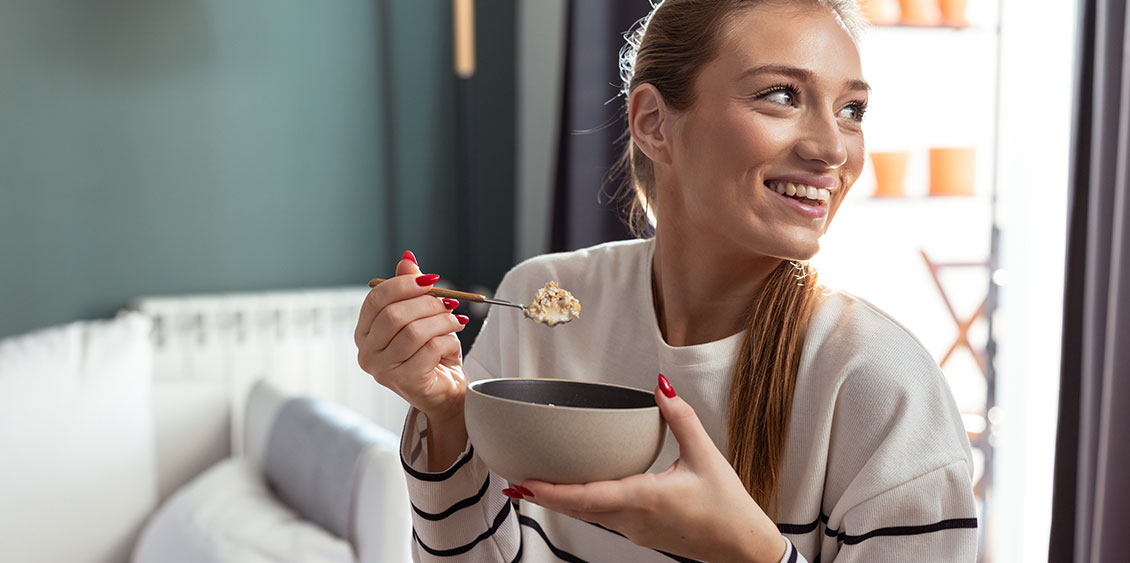
Starting your day with a bowl of oatmeal topped with banana and chia seeds is a simple and effective way to combine complex carbohydrates, magnesium, and omega-3s in one meal!
The best fruits to eat
Rich in vitamins, minerals, and antioxidants, certain fruits can be very beneficial during your period. Our top picks include the following:
- bananas, rich in magnesium and potassium, which can help reduce cramps and bloating
- oranges, grapefruit, and kiwis, excellent sources of vitamin C, which promotes iron absorption
- berries (strawberries, blueberries, raspberries), packed with antioxidants, which help reduce inflammation
- dates, a good source of iron and natural energy
- pineapple, which contains bromelain, an enzyme with anti-inflammatory properties
Whether fresh, frozen, or added to a smoothie or bowl of oatmeal, fruit is a simple and delicious way to support your body during your period.
Foods to avoid during your period
Some foods, even if they seem comforting at the time, can actually make menstrual pain worse. You don’t need to cut them out of your diet entirely, but it’s a good idea to temporarily reduce your consumption of certain things that can make cramps and bloating worse. Here are the main foods to avoid.
Too much salt
Excessive salt consumption promotes water retention and aggravates the swollen feeling that is often already present during your period. It causes the body to retain more fluid to maintain the balance, which can make bloating even more uncomfortable.
For a few days, try not to eat too much of the following foods:
- deli meats and other processed meats
- prepared meals and canned soups
- salty snacks such as potato chips and pretzels
Less salt doesn’t mean less flavour
Add interest to your dishes by using fresh herbs, spices, or lemon juice instead of salt. You can boost the flavour while avoiding undesirable effects.
Caffeine and alcohol
We all know how hard it can be to resist a good cup of coffee in the morning or a glass of wine at the end of a long day. Caffeine and alcohol should be avoided whenever possible during your period, however, for several reasons:
- caffeine narrows the blood vessels, which can aggravate cramps, increase nervousness, cause headaches, and disrupt sleep
- alcohol causes dehydration, amplifies mood swings, impairs sleep quality, and increases inflammation, which can make abdominal pain and bloating worse
But don’t worry, there’s no need to give them up entirely—just try to find ways of consuming less. We suggest limiting yourself to a single cup of coffee in the morning, and avoiding alcohol on weeknights.
Herbal tea instead of a second cup of coffee? What a great idea!
Replace the other cups of coffee you would normally drink throughout the day with chamomile or ginger herbal teas, which are known for their anti-inflammatory properties and soothing effect on the digestive system.
Ultra-processed foods
High in refined sugars, saturated fats, and additives, ultra-processed foods increase inflammation, which can intensify cramps and bloating.
While you’re on your period, try to keep the following to a minimum:
- sugary drinks and energy drinks
- mass-produced cookies, pastries, and chocolate bars
- fast food and ready-to-eat frozen meals
Instead, opt for home-cooked meals made with simple, nourishing ingredients.
Simple, healthy cooking
You don’t have to spend hours toiling over a hot stove to eat well. A veggie stir-fry, homemade soup, grain bowl, or grilled salmon with brown rice and greens are a few excellent and easy-to-prepare options to support your body during your period.
Hydration: Just as important as diet during your period
Drinking enough water is just as important as eating a balanced diet during the menstrual cycle. Staying hydrated helps maintain good blood volume, reduce the intensity of cramps and, paradoxically, limit water retention. When the body is well hydrated, it feels less need to store fluids.
Here are a few tips to help you meet your hydration needs and keep comfortable during your period:
- drink 1.5 to 2 litres of water a day, and more during physical activity
- add variety in the form of herbal teas made with chamomile or ginger, which are ideal for soothing abdominal pain
- try making your own flavoured waters using cucumber, mint, or lemon to make staying hydrated more enjoyable
- keep a bottle of water handy throughout the day
Good to know!
Ginger has natural anti-inflammatory and antispasmodic properties. Several studies suggest that it may be just as effective as some common anti-inflammatory drugs when it comes to relieving mild to moderate menstrual pain. Enjoying some fresh ginger tea after a meal is both comforting and therapeutic.
Is physical activity a good idea during your period?
Even if the urge to stay in bed is strong (especially if your period is particularly painful), gentle physical activity can often help relieve menstrual symptoms. Exercise stimulates the production of endorphins, hormones that act as natural painkillers and improve mood. Movement also stimulates blood circulation in the pelvic area, helping to relax muscles and reduce the feeling of heaviness that often comes with your period.
There’s no need for intense training. Instead, opt for gentle activities, such as:
- walking outside, which is ideal for clearing your mind
- gentle yoga or stretching, which targets tension in the lower back and pelvis
- an easy swim, which can have a soothing effect
Even 20 to 30 minutes of physical activity a day is enough to bring about a noticeable improvement. On harder days, even just a simple walk around your neighbourhood can do the trick.
Listen to your body
The first few days of your period are often the most intense. Give yourself permission to reduce the intensity of your usual workouts and return to them gradually when you feel ready.
When to seek help for persistent menstrual pain
If a balanced diet and healthy lifestyle habits during your period aren’t enough to relieve your menstrual pain,talk to someone about it! Intense cramps that don’t respond to the usual methods, heavy bleeding, persistent fatigue, or symptoms that worsen over time deserve special attention. These signs can sometimes indicate an underlying condition, such as endometriosis, which affects around one in ten menstruating women.
Your Brunet-affiliated pharmacist-owner is a valuable and accessible resource who can assess your situation, recommend appropriate solutions, and direct you to the right resources to support your well-being during your period. Don’t let severe menstrual pain become your new normal. You deserve to feel good, every day of the month.
Book an appointment