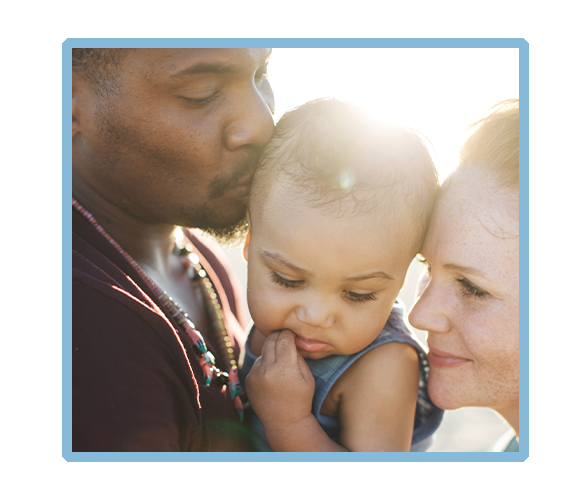
Struggling with acne? You're not alone—you're among the 5.6 million Canadians (nearly 20% of the population) affected by this skin condition. But here's the good news: effective solutions exist to treat acne and restore healthy skin. We're here to help you better understand this skin concern and adopt the right daily habits.
What causes pimples on facial and body skin?
Acne develops when skin pores become clogged. Our skin has a natural microbiome that protects it from external aggressors. Sebaceous glands, located at the base of hair follicles, produce an oily substance called sebum. This protective film is essential for maintaining skin hydration and protection.
When these glands produce too much sebum and dead cells obstruct the ducts through which it's secreted, problems begin. The buildup of sebum and dead cells in pores creates an environment conducive to the growth of Cutibacterium acnes bacteria. This bacterium causes visible inflammation in the form of redness, swelling, and sometimes pus, giving rise to different types of acne lesions.
What triggers acne?
The exact causes of acne can vary from person to person. However, several common factors can contribute to acne breakouts:
- Hormones play a major role, particularly during puberty. Sex hormones stimulate sebum production, which explains why over 80% of people with acne are between 12 and 24 years old. Hormonal fluctuations related to the menstrual cycle, pregnancy, or stress can also trigger acne flare-ups.
- Heredity is a determining factor. If your parents suffered from acne, you're more likely to develop it yourself. Genetics influence how your skin reacts to hormones and sebum production.
- Lifestyle can worsen existing acne. Smoking, excessive sun exposure, lack of sleep, and certain high-glycemic foods can contribute to the appearance or worsening of lesions. Chronic stress also releases cortisol, a hormone that stimulates sebum production.
Did you know? According to the Canadian Dermatology Association, acne affects the face in 99% of cases but can also affect the back, shoulders, and chest in 50% of cases. About 25% of adolescents will still have acne at age 25.
What is the treatment for hormonal acne?
Combined oral contraceptives and spironolactone are often prescribed to regulate the hormones responsible for acne flare-ups. Additionally, topical retinoids and benzoyl peroxide help control inflammation. Your Brunet-affiliated pharmacist can guide you toward appropriate options based on your situation.
How do you treat pregnancy acne?
Caution: several common treatments are contraindicated during pregnancy—retinoids, tetracyclines, and high-concentration salicylic acid. Fortunately, safe alternatives exist: low-concentration benzoyl peroxide, topical azelaic acid, and certain antibiotics like erythromycin.
During pregnancy, don't hesitate to consult your physician or Brunet-affiliated pharmacist before using any acne product.
How do you manage acne in children?
Acne can appear from birth or during childhood, requiring a gentle and caring approach. Here are some helpful tips:
Infant acne
Neonatal acne, commonly called "baby acne," affects about 20% of newborns, mainly on the cheeks and nose. These small red bumps usually appear two weeks after birth and can persist from a few weeks up to three months.
➢ This form of acne usually clears up on its own without specific treatment. Simply cleanse baby's face gently with lukewarm water. If acne persists or worsens, consult your paediatrician or pharmacist.
Childhood and juvenile acne
Acne can also appear in older children, even before puberty. Treatment may include gentle cleansers suited to children's sensitive skin and, in some cases, topical creams prescribed by a physician.
➢ The approach with children must be particularly gentle and reassuring. Your pharmacist can recommend products suited to your child's age and skin sensitivity.
How do you treat facial acne in 4 steps?
An appropriate skincare routine is the cornerstone of acne treatment. These daily habits help control sebum production, remove impurities, and prevent new lesions from forming.
✓ Step 1: Cleansing
Gently cleanse your skin twice daily, morning and evening, with a mild cleanser specially formulated for acne-prone skin.
Tip: Look for oil-free, non-comedogenic products (that don't clog pores). It's not always necessary to use products containing active ingredients like salicylic acid, glycolic acid, or benzoyl peroxide. Sometimes a simple gentle cleanser is enough for sensitive acne-affected skin.
Rinse thoroughly with lukewarm water to remove all residue that could clog your pores. Cleansing limits bacterial growth and eliminates dead cells and excess sebum.
Caution: Don't cleanse your skin more than twice daily, as this could irritate it and worsen acne. Also remember to wash after exercise, as sweat and sebum promote bacterial buildup.
✓ Step 2: Hydration
Contrary to popular belief, even oily, acne-prone skin needs hydration. Dehydrated skin reacts by producing more sebum to compensate, which can worsen acne.
Tip: Choose a moisturizer suited to your skin type—oil-free, non-comedogenic, and ideally with built-in sun protection. Lightweight gel or fluid formulas are particularly well-suited to acne-prone skin.
✓ Step 3: Sun protection
Ultraviolet rays thicken the skin, making sebum evacuation more difficult and potentially worsening acne. Additionally, several acne treatments increase skin photosensitivity.
Tip: Use daily sun protection with SPF of at least 30, even on cloudy days. Choose non-comedogenic formulas specially designed for acne-prone skin.
✓ Step 4: Makeup
You can wear makeup even with acne-prone skin, provided you choose the right products. Opt for non-oily, water-based cosmetics labelled "non-comedogenic." Always remove makeup before bed and discard expired products.
Tip: Clean your makeup brushes and sponges regularly to prevent bacterial growth.
Quick tips for better results:
- Never touch your pimples. Popping or squeezing lesions worsens inflammation, promotes bacterial spread, and significantly increases the risk of permanent scarring.
- Avoid rubbing your skin when cleansing or drying. Pat gently with a clean towel to avoid further irritation.
- Wash your pillowcases and sheets regularly, as they absorb sebum and can recontaminate your skin.
- Wear loose clothing, especially if you have body acne, to avoid friction and sweat buildup.
- If you shave, do so as infrequently as possible and use a razor that minimally irritates skin. Avoid aftershave products containing alcohol.
- Wash your hair more frequently if it tends to be oily, as hair oil can migrate to your face.
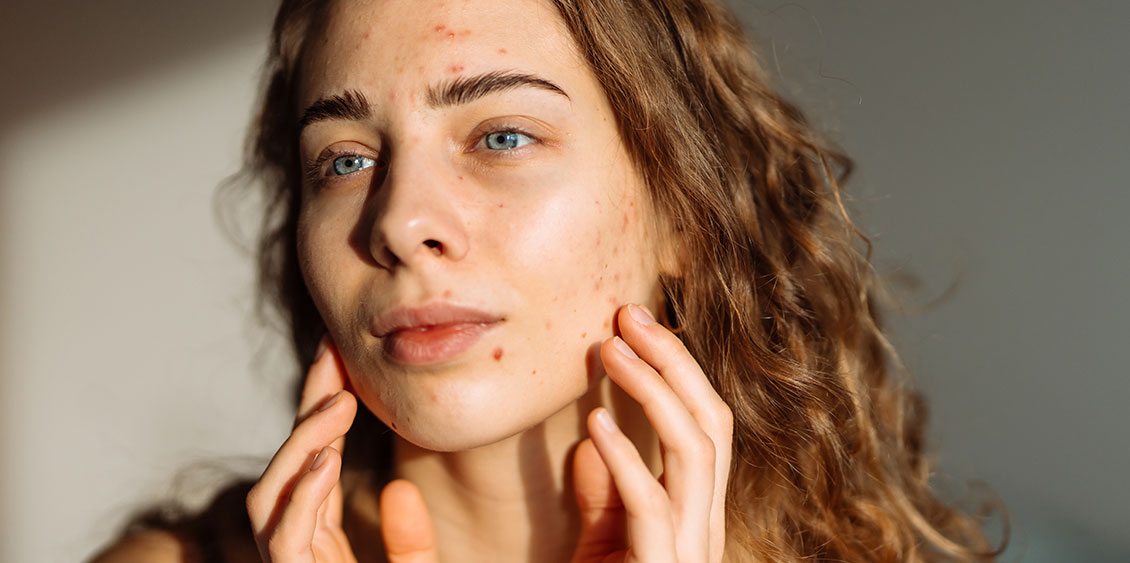
What is the best facial treatment for acne?
Choosing the right skincare products is crucial for effectively treating acne. The best facial treatments are those suited to your skin type and acne severity.
» Choose gel or foam cleansers that remove excess sebum without aggressing the skin. Products containing salicylic acid are particularly effective because they penetrate pores to remove impurities and reduce inflammation.
» Concentrated serums and treatments with niacinamide, azelaic acid, or benzoyl peroxide can be applied after cleansing to specifically target affected areas. These active ingredients fight acne-causing bacteria and regulate sebum production.
Note that your Brunet cosmetics advisor can guide you toward dermocosmetic products best suited to your specific needs and can recommend specialized ranges for acne-prone skin.
What is the most effective treatment for adult acne?
It won't surprise you to hear there's no single universal acne treatment. Its effectiveness depends on the condition's severity, your skin type, and individual factors. The most effective approach generally combines appropriate daily care with suitable medication treatments.
Over-the-counter topical treatments
For mild to moderate acne, over-the-counter topical products are often the first line of treatment. These products contain active ingredients recognized for their effectiveness.
Benzoyl peroxide is one of the most effective treatments for mild acne. It also has keratolytic action that helps dislodge dead cells obstructing pores. You'll find it as a gel, cream, lotion, or cleansing foam.
Salicylic acid works by exfoliating skin and penetrating pores to dissolve sebum and dead cell buildup. It also has anti-inflammatory properties that reduce redness and swelling.
These treatments must be applied regularly to the entire affected area, not just individual pimples. Throughout treatment, you'll need patience—it's key!
Expect 6 to 8 weeks of regular use before seeing significant improvements. Before starting these treatments, ask your pharmacist or your store's cosmetics specialists for advice.
Prescription medications
When acne is moderate to severe, or when over-the-counter treatments don't produce expected results, medical consultation is necessary. Your physician or dermatologist can prescribe more powerful treatments.
- Topical retinoids (tretinoin, adapalene, tazarotene, trifarotene) are vitamin A derivatives that prevent pore obstruction and reduce inflammation. Caution: these products may initially cause dryness and mild irritation, but skin generally adapts after a few weeks of use.
- Topical antibiotics control inflammation and reduce acne-causing bacteria. They're often combined with benzoyl peroxide to prevent bacterial resistance development.
- Oral antibiotics (tetracycline, minocycline, doxycycline) are prescribed for moderate to severe acne, particularly when it affects the back, shoulders, or chest. These treatments should be time-limited (generally a few months) and always combined with topical benzoyl peroxide treatment to minimize antibiotic resistance risk.
- Hormonal treatments include certain oral contraceptives. They're particularly effective for hormonal acne that appears along the jawline and worsens before menstruation. These treatments regulate hormones that stimulate excessive sebum production.
- Oral isotretinoin (formerly known as Accutane) is reserved for severe acne cases or acne resistant to other treatments. It's the only treatment that can offer long-term, even permanent, acne remission. This treatment requires close medical monitoring due to potentially significant side effects.
Important: Your Brunet-affiliated pharmacist can provide detailed information about all these treatments, including their benefits, possible side effects, necessary precautions, and optimal usage.
What's the fastest way to eliminate acne?
Obviously everyone wants their acne to disappear quickly. Yet there's no instant miracle solution. Most acne treatments require 6 to 12 weeks of regular use before showing visible results. Treating acne requires patience and perseverance.
What is the best acne treatment?
This question comes up frequently, and the answer depends on several individual factors. The "best" treatment is one suited to your acne type, skin type, and personal situation.
➜ Treatment for mild acne
We're talking about a few comedones (blackheads or whiteheads) and small red papules. Over-the-counter topical products containing benzoyl peroxide or salicylic acid generally work very well.
➜ Treatment for moderate acne
We're talking about more numerous and inflammatory lesions. Here, a combination of topical retinoids and benzoyl peroxide, sometimes combined with an antibiotic, offers excellent results.
➜ Treatment for severe acne
This is acne characterized by cysts and nodules with significant scarring risk. Here, oral isotretinoin often represents the most effective treatment. This medication requires rigorous medical monitoring.
Tip: Acne treatment is not a one-size-fits-all approach. What works remarkably well for one person may be ineffective or poorly tolerated by another.
Support from healthcare professionals is crucial. Your pharmacist can assess your situation, recommend appropriate products, and explain how to use them correctly.
According to a study published in the British Journal of Dermatology and cited by the Canadian Dermatology Association, even mild acne can have significant psychological repercussions, including lowered self-esteem and depressive symptoms. Early and effective treatment helps improve not only skin appearance but also emotional well-being.
Taking care of your skin means taking care of yourself
Acne is much more than a simple cosmetic problem. Acne can affect self-confidence, social relationships, and quality of life, particularly in adolescents and young adults. Fortunately, with appropriate knowledge and the right treatments, it's possible to effectively control acne and restore healthy skin.
Acne treatment rests on three pillars:
- an adapted daily skincare routine
- use of products or medications appropriate to the condition's severity
- the patience necessary to allow treatments to work
Beyond treatments, adopt healthy lifestyle habits to help maintain healthy skin:
- a balanced diet
- sufficient sleep
- good stress management
You have questions or doubts about your skin type? Visit our special page dedicated to skincare with the routines you need. Take the test with just one click.
Our specialists at your service
Brunet-affiliated pharmacists and cosmeticians are skin health and dermocosmetic product experts. Our teams have in-depth knowledge of available products, active ingredients, and their interactions.
Whether you suffer from mild or severe acne, our specialists can:
- Assess your skin type and acne severity
- Recommend products best suited to your situation
- Explain how to properly use your treatments
- Monitor your prescribed medication and check for drug interactions
- Advise you on lifestyle habits that promote healthy skin
- Refer you for medical consultation if necessary
Don't hesitate to consult them for personalized advice and professional support in your journey toward healthier skin. Your skin deserves the best care, and our experts are here to help you achieve that goal.
Other articles that might interest you